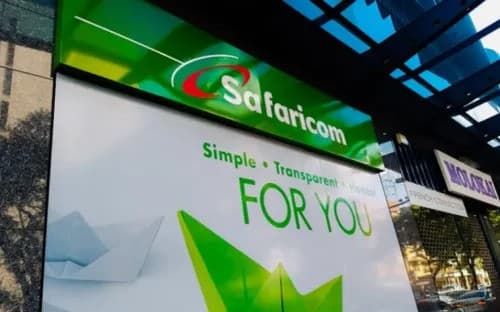
After a six-month process that started with an announcement in December 2025 and nearly stalled in the courts, Vodacom Group has completed its acquisition of an additional 20% effective stake in Safaricom, pushing its shareholding to roughly 55%. The transaction became effective on 30 June 2026, four days after Kenya's Court of Appeal stayed a conservatory order that had frozen the sale.
For a company woven into daily Kenyan life the way Safaricom is, this is a genuinely big moment: control of the country's largest telco, its most profitable company and the home of M-Pesa now sits with a majority owner headquartered in Johannesburg.
How the deal was put together
Vodacom paid about $2.1 billion, or roughly KSh 272 billion at the exchange rate quoted at completion. That figure breaks into two parts. Vodacom bought a 15% stake directly from the Government of Kenya for KSh 204 billion through a block trade on the Nairobi Securities Exchange, and picked up an effective further 5% from Vodafone Group for KSh 68 billion, at KSh 34 per share.
The upshot for the share register: Vodacom now holds about 22.01 billion shares, or 54.94% of Safaricom. The National Treasury keeps about 8.01 billion shares, an even 20%, while other investors hold the remaining 25.06%. Safaricom stays listed on the NSE, and the government retains board representation.
A day before completion, Vodafone Kenya secured an exemption from the Capital Markets Authority from having to make a mandatory takeover offer to minority shareholders, since regulators treated the transaction as a negotiated acquisition and internal group restructuring rather than a hostile buyout.
Why it matters for how Safaricom is run
The most immediate technical change is accounting. Under IFRS, Safaricom moves from being an "associate" in Vodacom's books to being fully consolidated, meaning its revenue, profit and balance sheet now flow line-by-line into Vodacom's group accounts. That is not a cosmetic tweak. It signals that Vodacom intends to steer, not just invest.
Vodacom Group CEO Shameel Joosub called it "a landmark moment for Vodacom, for Safaricom, and for the communities we serve across East Africa," framing the purchase as a way to scale digital and financial inclusion across Kenya and Ethiopia. Whether that translates into changes Kenyan customers feel on pricing, on M-Pesa charges, on network investment is the question that will play out over the coming quarters.
The government's side of the story
For the Treasury, this is a cash-out with a purpose. National Treasury Cabinet Secretary John Mbadi described the sale as crystallising part of the value built from the government's founding investment in a mobile licence 25 years ago, with proceeds earmarked for "the roads, the energy systems, the water infrastructure, and the airports" tied to President William Ruto's privatisation and National Infrastructure Fund plans. "Safaricom's best days are not behind it. They are ahead of it. And Kenya remains its home," Mbadi said.
There is also a timing sweetener. Because the sale slipped past its original completion target while tangled in litigation, the government stayed eligible for Safaricom dividends it would otherwise have missed, including a reported multi-billion-shilling top-up on top of the KSh 204 billion sale proceeds.
What's still worth watching
Three threads are worth keeping an eye on. First, Ethiopia: Safaricom's build-out there has been expensive, and it now carries a controlling shareholder that will expect returns while that investment matures. Roughly 14 million Ethiopian customers are on board, but the market is still young. Second, M-Pesa, which already drives about 44% of Safaricom's Kenyan revenue and is central to Vodacom's regional fintech ambitions. Third, guidance: Vodacom is expected to update the market on its medium-term targets around 27 July 2026 alongside its first-quarter results, which should reveal how it plans to run its new prize asset.
For now, the practical reality for the average Kenyan is that nothing on your phone changes overnight. But the ownership behind the green logo has shifted decisively, and the decisions made in the next year will show whether majority control brings sharper investment, tougher cost discipline, or both.