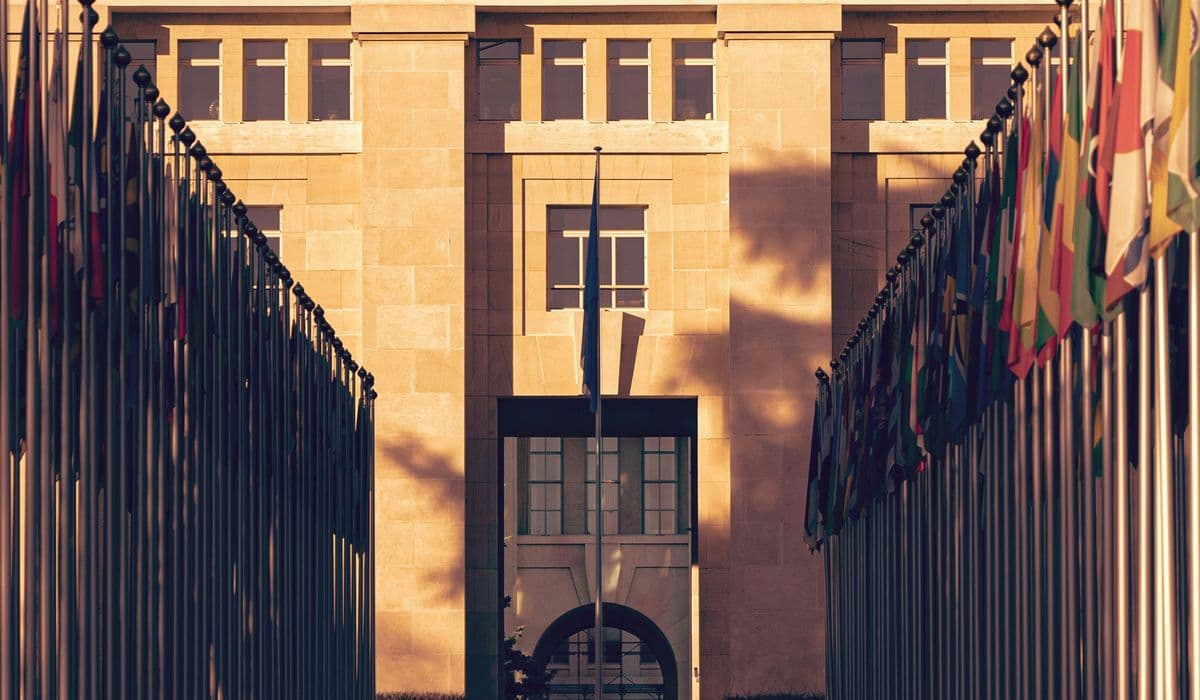
UN's AI for Good Global Commission Holds First Meeting: What Was Decided
Something unusual happened in Geneva: for the first time, a United Nations governance body sat tech company executives at the same table as sitting heads of state, all focused on one question, how should the world govern artificial intelligence before it outpaces every country's ability to manage it?
What the Commission Actually Is
The AI for Good Global Commission held its first formal meeting in Geneva, following two days of preliminary discussions at the inaugural UN Global Dialogue on AI Governance after drawing delegates from 169 countries. The Commission itself is co-chaired by Salesforce CEO Marc Benioff and Rwandan President Paul Kagame, an unusual pairing that reflects the Commission's broader ambition of blending private-sector AI expertise with public-sector governance authority.
Its membership list reads like a who's-who of the AI industry and global politics combined: Nvidia's Jensen Huang, Amazon's Andy Jassy, Microsoft's Brad Smith, Anthropic's Jack Clark, and Cohere's Aidan Gomez sit alongside heads of state from Estonia, Iceland, Kazakhstan, Namibia, Saudi Arabia, Singapore, and Nigeria. It's the first UN-level body of its kind to formally include AI company leadership as members rather than simply consulting them from the outside.
What's on the Agenda
The Commission's mandate covers three main areas. First, international AI export control standards which is an increasingly urgent topic given how frontier AI models have become entangled with national security concerns and trade restrictions over the past year. Second, interoperability between voluntary frontier model review frameworks (like the kind the US has been developing) and the EU's AI Act, which already has binding transparency rules taking effect later this year. Third, and perhaps most significant for global equity, the Commission is tasked with addressing AI access gaps for the roughly 2.2 billion people worldwide who still lack reliable internet access, a population for whom questions about frontier AI governance are almost moot until basic connectivity issues are solved.
The preceding Geneva dialogue, which brought together delegates from 169 countries over two days, didn't produce binding agreements, but observers note that it wasn't designed to. It was structured more as a forum to surface diverging national positions and start building the diplomatic groundwork that the Commission itself will need in order to draft anything with real teeth.
Why This Matters
The timing isn't coincidental. AI governance has become a genuinely urgent issue over the past year, not an abstract policy debate. Frontier AI models have grown powerful enough that intelligence agencies from the Five Eyes alliance, the US, UK, Canada, Australia, and New Zealand recently issued a joint public warning that AI-powered cyberattacks capable of breaching government and enterprise defenses are now "months, not years" away. Export controls have already been used as policy tools, with certain frontier models facing government-gated access restrictions tied to national security reviews.
Against that backdrop, a body that brings together the people actually building frontier AI systems and the governments trying to regulate them has obvious appeal but also obvious tension. Critics of this kind of arrangement point out that having AI company executives sit as members of a governance commission, rather than simply advising it, risks blurring the line between setting rules and being subject to them.
The Bigger Picture
This Commission adds to a fast-growing list of parallel AI governance efforts happening globally in 2026, from the EU's AI Act transparency obligations taking effect in August, to the US government's own voluntary frontier model review framework that's been under development following an executive order earlier in the year. What's notable about the UN effort specifically is its attempt to operate at a genuinely global scale, rather than a single bloc or country setting rules that the rest of the world has to react to.
What Comes Next
No binding international agreements emerged from this first formal meeting, and few expected any this early. The more realistic marker of success will be whether the Commission can produce concrete recommendations on export control standards and AI Act interoperability over the coming months, areas where national interests are already pulling in different directions. For now, the symbolic significance of the meeting itself, industry leaders and heads of state formally sitting as equals on a UN governance body, may end up being remembered as more consequential than anything actually agreed to in the room.