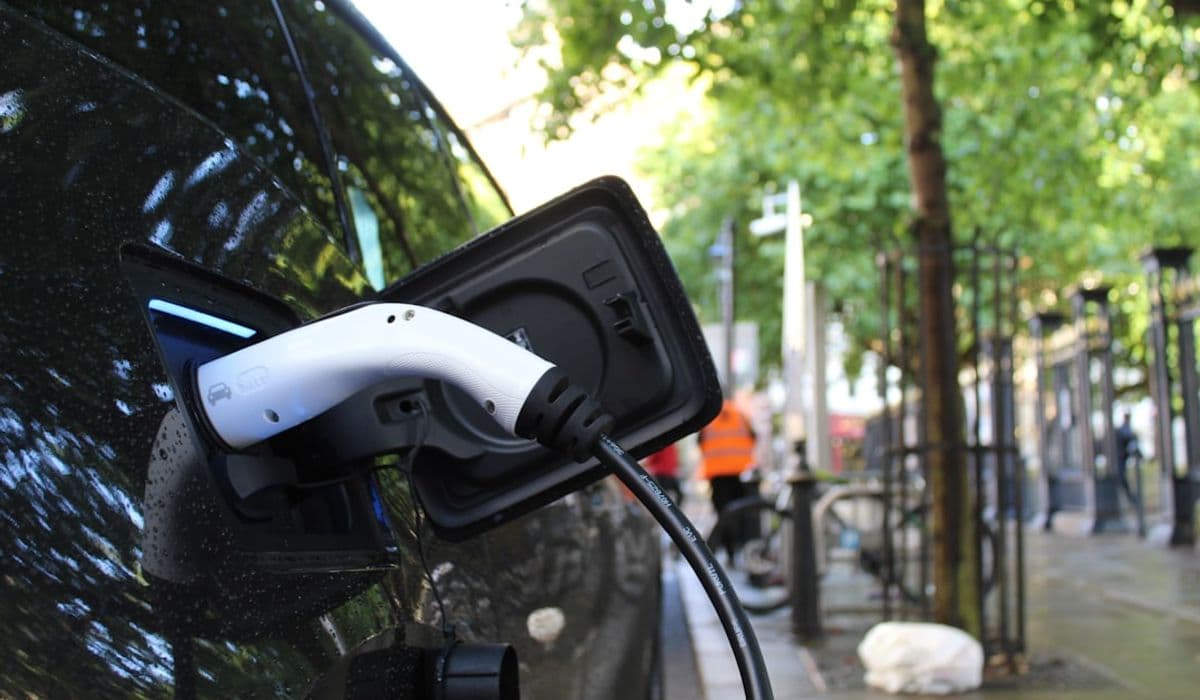
The transition to electric mobility in West Africa has taken a significant step forward as GoCab, a prominent mobility fintech company, officially deployed 100 fully electric vehicles (EVs) in Abidjan, Côte d'Ivoire. These vehicles will operate directly under the fleet of Yango, the international ride-hailing platform, marking one of the largest single-batch deployments of electric cars for ride-hailing services in the region.
GoCab, which manages Yango’s largest fleet operations in Côte d'Ivoire, handed over the brand-new electric cars to local drivers in the commercial capital. This initiative aims to reduce carbon emissions in Abidjan's bustling transport sector while offering drivers a more cost-effective alternative to traditional internal combustion engine (ICE) vehicles.
Driving the Transition to Green Mobility in West Africa
Abidjan, with its rapidly growing population and expanding urban landscape, faces significant challenges related to traffic congestion and air pollution. The introduction of 100 electric vehicles into the city's ride-hailing ecosystem represents a practical approach to mitigating these environmental pressures. By replacing standard petrol or diesel cars with zero-emission electric alternatives, the partnership between GoCab and Yango is set to displace substantial amounts of daily carbon dioxide emissions.
For drivers, the shift to electric vehicles offers a compelling financial proposition. In many African metropolitan areas, the rising cost of fuel represents the single largest operating expense for ride-hailing drivers. By transitioning to electricity, drivers can drastically lower their daily running costs. Furthermore, electric vehicles generally require less maintenance than conventional cars due to having fewer moving parts, translating to higher uptime and better profit margins for the operators.
GoCab’s role as a mobility fintech is crucial in this transition. By structuring viable financing and asset-management models, the company lowers the high entry barriers associated with EV adoption in Africa, where upfront vehicle costs and a lack of traditional credit facilities often deter drivers from making the switch.
The Strategic Importance of the GoCab-Yango Partnership
Yango has been aggressively expanding its footprint across Africa, competing directly with established giants like Uber and Bolt. To win market share, the platform has focused on localized strategies, partnerships with fleet managers, and competitive pricing.
By integrating GoCab’s new electric fleet into its platform, Yango not only boosts its capacity in Abidjan but also positions itself as a forward-thinking leader in sustainable urban transport. This move aligns with global trends where ride-hailing networks are increasingly pressured by regulators and consumers to decarbonize their operations.
For GoCab, the partnership ensures a steady stream of demand for its electrified fleet. Operating under Yango's digital infrastructure guarantees high vehicle utilization rates, which is essential for proving the economic viability of electric vehicle fleets to investors and financial institutions backing African e-mobility startups.
Why This Matters for the Broader African Tech Ecosystem
The deployment of 100 EVs in Côte d'Ivoire serves as an important proof of concept for the rest of the continent, including East African hubs like Nairobi and Kigali. While East Africa has seen rapid growth in electric two-wheelers (e-motorcycles) and three-wheelers (e-tuk-tuks), the adoption of four-wheeled electric passenger cars has been slower due to higher capital requirements and infrastructure deficits.
GoCab's successful rollout in Abidjan highlights several key factors that other African markets must address to replicate this success:
- Financing Models: Innovative fintech structures are required to make EVs accessible to drivers who cannot afford outright purchases.
- Charging Infrastructure: The scalability of this 100-vehicle fleet will heavily depend on the availability of reliable charging stations across Abidjan, an area where private-public partnerships will be critical.
- Grid Reliability: As electric fleets grow, urban power grids must be capable of handling the increased load, highlighting the need for smart charging solutions that operate during off-peak hours.
As cities across Africa grapple with urbanization and climate change, the integration of fintech, ride-hailing, and electric mobility seen in Abidjan offers a scalable blueprint. The progress of GoCab’s fleet on the streets of Abidjan will be closely watched by investors, policymakers, and tech players across the continent as a bellwether for the future of African transport.